
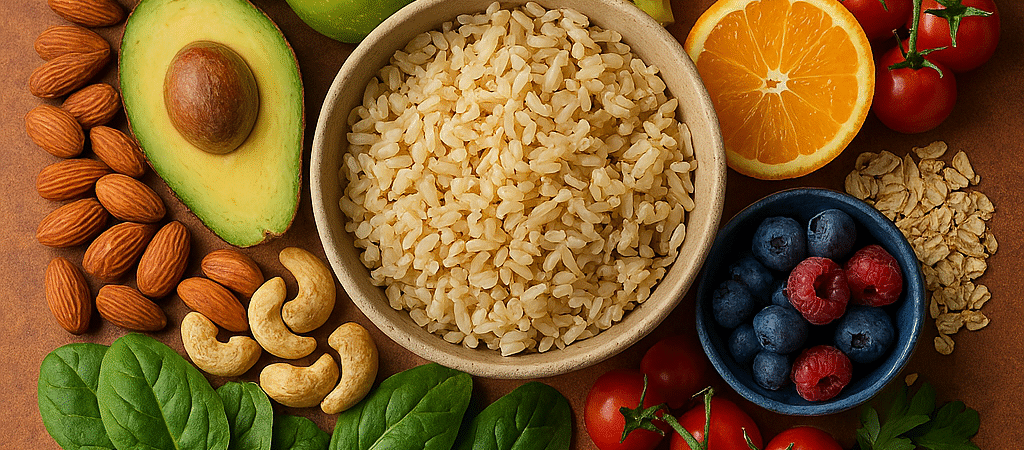
Hey there, health seekers and wellness warriors! Have you ever wondered what truly fuels your body, gives you that burst of energy in the morning, or helps you power through a busy afternoon? The answer, my friends, is simple yet profound: nutrition. It’s more than just eating; it’s about providing your body with the essential building blocks it needs to thrive, feel great, and live your best life.

In a world full of conflicting diet advice and trendy fads, it’s easy to feel overwhelmed. But here’s the good news: understanding nutrition doesn’t have to be complicated! Today, we’re going to break down the fundamentals in a friendly, no-nonsense way, empowering you to make informed choices that nourish your body from the inside out.
What Exactly Is Nutrition?
At its core, nutrition is the process of providing or obtaining the food necessary for health and growth. Think of your body as a high-performance vehicle. You wouldn’t put cheap, low-grade fuel into a sports car and expect it to run perfectly, would you? The same goes for your body! The quality of the food you consume directly impacts your energy levels, mood, immune system, physical performance, and even your long-term health.
Let’s dive into the key components:
1. The Mighty Macronutrients: Your Body’s Fuel
These are the nutrients your body needs in larger amounts, providing energy and supporting major bodily functions.
- Carbohydrates: Your Primary Energy Source
Often misunderstood, carbs are not the enemy! They are your body’s preferred source of energy, fueling your brain, muscles, and organs.- Good Carbs (Complex): Found in whole grains (oats, brown rice, quinoa), fruits, vegetables, and legumes. These are digested slowly, providing sustained energy and fiber.
- Not-So-Good Carbs (Simple/Refined): Sugary drinks, white bread, pastries. These offer quick energy spikes followed by crashes and lack essential nutrients.
- Proteins: The Building Blocks of Life
Protein is crucial for building and repairing tissues, making enzymes and hormones, and supporting your immune system.- Sources: Lean meats, poultry, fish, eggs, dairy, beans, lentils, tofu, nuts, and seeds. Aim for a good source of protein with every meal.
- Fats: Essential for Everything!
Another frequently demonized nutrient, healthy fats are vital for hormone production, nutrient absorption (especially fat-soluble vitamins A, D, E, K), brain health, and keeping you feeling full and satisfied.- Healthy Fats: Avocados, olive oil, nuts, seeds, fatty fish (salmon, mackerel).
- Unhealthy Fats: Trans fats (found in many processed foods), excessive saturated fats. These can negatively impact heart health.

2. The Powerful Micronutrients: Small but Mighty!
These are the vitamins and minerals your body needs in smaller amounts, but they play enormous roles in virtually every bodily process.
- Vitamins: Essential for energy production, immune function, bone health, vision, and so much more! Think Vitamin C for immunity, Vitamin D for bones, B vitamins for energy.
- Minerals: Crucial for nerve function, fluid balance, bone strength, and oxygen transport. Examples include calcium, iron, potassium, and zinc.
- Sources: The best way to get a wide array of micronutrients is by eating a diverse, colorful diet rich in fruits, vegetables, whole grains, and lean proteins.

3. The Unsung Hero: Hydration
Often overlooked, water is perhaps the most critical nutrient of all! Your body is made up of about 60% water, and it’s involved in:
* Regulating body temperature
* Transporting nutrients and oxygen
* Lubricating joints
* Flushing out waste products
* Maintaining organ function
Aim for at least 8 glasses of water a day, and more if you’re active or in a hot climate. Keep a water bottle handy!

4. The Gut-Friendly Superstar: Fiber
Found in plant foods, fiber is key for digestive health. It helps regulate blood sugar, lowers cholesterol, and keeps you feeling full, which can aid in weight management.
* Sources: Whole grains, fruits (with skin), vegetables, legumes, nuts, and seeds.

Bringing It All Together: Practical Tips for Better Nutrition
Now that you know the building blocks, how do you put this knowledge into action?
- Focus on Whole Foods: Prioritize unprocessed, natural foods over packaged and refined options. Think ingredients, not products.
- Eat the Rainbow: Aim for a wide variety of colorful fruits and vegetables daily. Each color often signifies different nutrients!
- Read Labels: Get savvy about what’s in your food. Look for short ingredient lists and be mindful of added sugars, unhealthy fats, and excessive sodium.
- Portion Awareness: Listen to your body’s hunger and fullness cues. You don’t always need to clean your plate.
- Cook at Home More: This gives you full control over ingredients and preparation methods.
- Stay Hydrated: Make water your go-to beverage.
- Progress, Not Perfection: Don’t aim for an overnight overhaul. Start with small, sustainable changes and build from there. Every healthy choice adds up!
- Listen to Your Body: Pay attention to how different foods make you feel. Do you have more energy? Better digestion? This feedback is invaluable.

Understanding nutrition isn’t about rigid rules or deprivation; it’s about empowering yourself with knowledge to make conscious choices that support your well-being. By focusing on whole, nutrient-dense foods, staying hydrated, and being mindful of your body’s needs, you’re not just eating – you’re truly fueling your best, most vibrant life.
What small nutritional change will you make this week? Share your thoughts in the comments below! Let’s nourish ourselves, together.
Leave a Reply